In the ever-changing world, work itself undergoes a metamorphosis. As dawn breaks, multitudes realise their liberation from the shackles of fixed locations. Behold the digital nomads, a newfound breed, traversing the globe unburdened by conventional office chains, guided by laptops and smartphones, masters of their destiny. Yet, with this emancipation emerges the challenge of a stable legal foundation, permitting seamless work and travel, free from the perils of immigration laws.
The digital nomad visa addresses this challenge by granting individuals the freedom to explore new cultures and locations, while also fostering a sense of global community and collaboration.
Let’s explore the basic requirements for applications in Europe:
- Austria: The Red-White-Red Card for Self-employed Workers allows a year of living and working in Austria, no minimum income required. Applicants must meet certain eligibility criteria, such as having a business plan, relevant qualifications, and adequate financial resources. Visit https://www.migration.gv.at/ for details.
- Croatia: A one-year digital nomad visa welcomes remote workers, no income minimum but proof of financial means needed. Health insurance and banking access offered. Visit https://mup.gov.hr/ for more.
- Czech Republic: The Long-term Zivno Visa for Freelancers permits a year of living and working without an income minimum. Visit https://www.mzv.cz/ for details.

- Estonia: The Digital Nomad Visa welcomes those with a minimum monthly income (€3 500) or savings (€16 000), offering a year of exploration with access to healthcare and banking. Visit https://www.e-resident.gov.ee/ for more.
- France: France offers the French Tech Visa, which is aimed at startup founders, investors, and employees of startups. The visa allows individuals to live and work in France for up to four years and offers access to local healthcare and other benefits. For more visit https://france-visas.gouv.fr/

- Germany: Germany offers a Freelance Visa, which allows self-employed individuals to live and work in the country for up to three years. There is no minimum income requirement, but applicants must demonstrate sufficient financial means to support themselves. For more visit https://service.berlin.de/

- Greece: Greece offers the Digital Nomad Visa, which allows remote workers to live and work in the country for up to a year. The visa requires a minimum monthly income of €2000 and offers access to local healthcare and other benefits. For more visit https://www.mfa.gr/
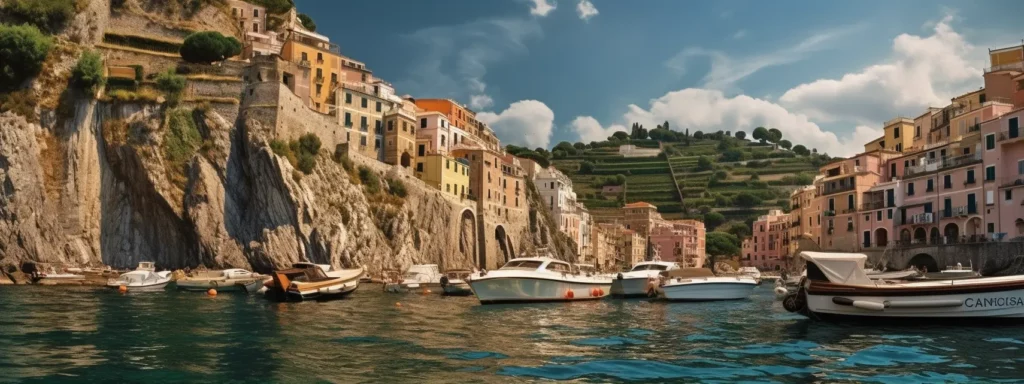
- Italy: Italy offers a Self-Employment Visa, which allows self-employed individuals to live and work in the country for up to two years. There is no minimum income requirement, but applicants must demonstrate sufficient financial means to support themselves. For more visit https://www.esteri.it/
- Lithuania: Lithuania offers the Temporary Residence Permit for Business, which allows self-employed individuals to live and work in the country for up to a year. There is no minimum income requirement, but applicants must demonstrate sufficient financial means to support themselves. For more visit https://www.migracija.lt/

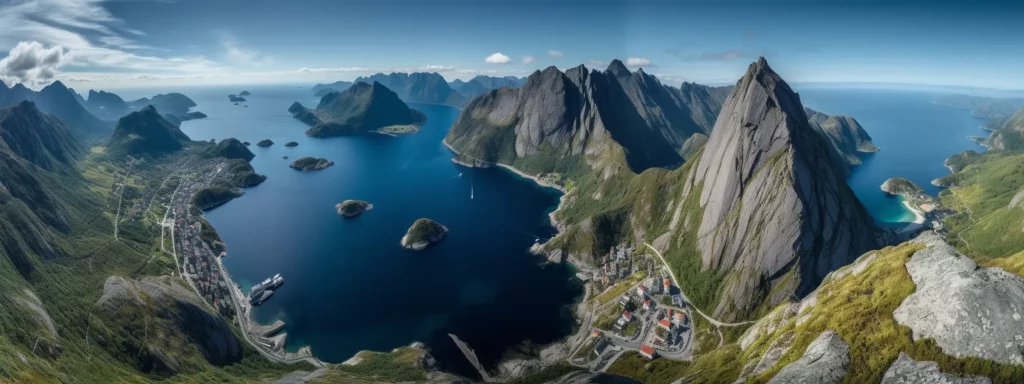
- Norway: Norway offers a Self-Employment Visa, which allows self-employed individuals to live and work in the country for up to two years. There is no minimum income requirement, but applicants must demonstrate sufficient financial means to support themselves. For more visit https://www.udi.no/
- Portugal: Portugal offers the Passive Income Visa, which allows individuals with sufficient passive income to live in the country without the need to work. The visa requires a minimum monthly income of €3000. For more visit https://imigrante.sef.pt/

- Spain: Spain offers the Non-Lucrative Residence Visa, which allows individuals to live in the country without the need to work. The visa requires a minimum monthly income of €2400 and offers access to local healthcare and other benefits. Read our article to know more.